


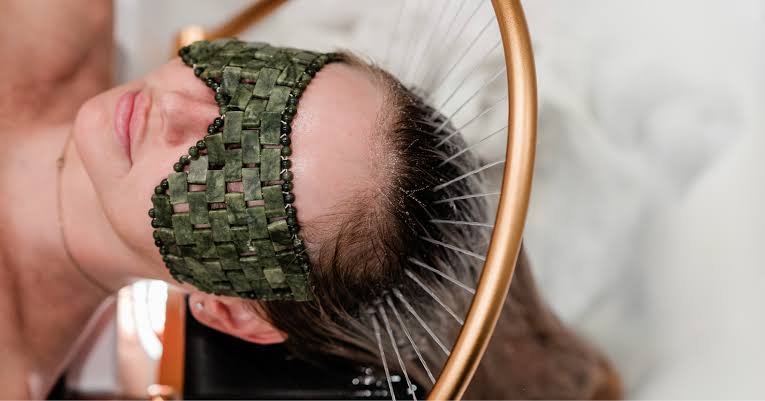
Walk into almost any high-end holistic spa or integrative wellness studio across the United States right now, and you will likely notice a familiar setup: a curved brass halo arching gently over a reclined treatment bed, cascading warm herbal water over a client’s hairline while a specialist performs slow, rhythmic cranial acupressure.
Known as the Japanese Head Spa, this restorative scalp and nervous system therapy has rapidly evolved from a viral social media curiosity into one of the most sought-after holistic treatments in modern wellness. While it initially gained attention for transforming dull, congested hair, its real staying power lies deeper—at the intersection of dermatological scalp care, lymphatic drainage, and autonomic nervous system regulation.
If you struggle with chronic tension headaches, stress-induced hair thinning, jaw clenching (TMJ), or mental burnout that a standard Swedish massage never quite touches, a Japanese head spa offers a targeted, multi-sensory reset. Below is everything you need to know about how Japanese head spas work, their science-backed physical and neurological benefits, realistic pricing across US cities, and what to look for when booking an authentic session.
What Exactly Is a Japanese Head Spa?
Originating in Japan as an extension of traditional Kampo herbal wellness and meticulous salon hospitality (omotenashi), a Japanese head spa is best described as a clinical-grade facial for your scalp combined with targeted cranial and neck bodywork.
Unlike a quick five-minute shampoo massage at a standard hair salon, a true Japanese head spa is a dedicated 60-to-90-minute therapeutic ritual. Practitioners use specialized diagnostic tools, botanical steams, hydrotherapy waterfalls, and precise acupressure techniques to clear follicular buildup, boost microcirculation, and downregulate an overstimulated nervous system.
The Core Pillars of an Authentic Head Spa
- Microscopic Scalp Diagnostics: Most clinical sessions begin with a high-magnification trichology camera (often 200x zoom) to examine your scalp’s lipid balance, clogged follicles, inflammation, or dryness.
- Deep Follicular Detoxification: Using gentle enzymatic exfoliants, carbonated spring water, or botanical clays to dissolve sebum plugs, dry shampoo residue, and hard-water mineral buildup.
- Cranial Acupressure & Shiatsu: Targeted finger pressure along key meridian points on the scalp, temples, suboccipital ridge (base of the skull), and trapezius muscles.
- Warm Hydrotherapy & Mist Steam: Continuous warm water cascades (the signature “water halo”) paired with nano-mist steam to open pores, soften scalp tension, and induce a deep meditative state.
Science-Backed Benefits: Beyond Shiny Hair
While leaving the spa with lighter, bouncier hair is an immediate perk, regular scalp therapy delivers measurable physiological benefits for both physical tension and mental recovery.
1. Autonomic Nervous System Reset & Vagal Tone Support
The human scalp, face, and upper neck are densely innervated by cranial nerves, including branches of the trigeminal nerve and the vagus nerve. When you spend hours staring at screens, clenching your jaw, or operating under chronic stress, the muscles surrounding the skull (such as the frontalis, temporalis, and occipitalis) remain locked in subtle contraction.
Slow, rhythmic scalp massage combined with warm water flow stimulates mechanoreceptors under the skin, sending safety signals directly to the brain. Clinical studies examining scalp massage have shown measurable reductions in salivary cortisol (the primary stress hormone), lower heart rate, and decreased blood pressure—shifting the body smoothly from sympathetic (“fight-or-flight”) dominance into parasympathetic (“rest-and-digest”) recovery.
2. Improved Microcirculation & Follicular Health
Hair follicles are among the most metabolically active structures in the body, requiring a steady supply of oxygen, amino acids, and micronutrients delivered through tiny dermal capillaries. Chronic scalp tension restricts this local blood flow, starving follicles and contributing to shedding and slower growth.
Mechanical stretching of dermal papilla cells during targeted scalp massage increases localized blood perfusion. Research published in dermatological journals indicates that consistent, structured scalp massage can increase hair thickness over time by stimulating dermal papilla gene expression and clearing oxidized sebum that suffocates hair roots.
3. Lymphatic Drainage for Puffiness & Sinus Relief
Your head and neck contain roughly one-third of all the lymph nodes in your body. Unlike the cardiovascular system, the lymphatic system has no central pump; it relies on muscle movement, breath, and manual manipulation to move fluid.
When lymph fluid stagnates around the scalp, behind the ears, and along the cervical chain in the neck, it leads to facial puffiness, dull skin, brain fog, and sinus pressure. Japanese head spa protocols systematically clear lymph pathways from the crown down toward the collarbone (terminus), leaving your jawline noticeably more sculpted and your head feeling physically lighter.
4. Relief from Tension Headaches & TMJ Discomfort
Many chronic tension headaches originate not inside the head, but in tight myofascial trigger points along the temples, behind the ears, and at the base of the skull. By releasing tight fascia across the galea aponeurotica (the tough fibrous layer covering the top of the skull) and massaging the temporalis muscles, scalp therapy relieves the mechanical pull that triggers recurring headaches and jaw fatigue.
Step-by-Step: What Happens During a Japanese Head Spa Session?
If you have never booked a head spa appointment, knowing the exact flow of a session helps you relax fully from the moment you arrive. While menus vary slightly by studio, a standard 75-minute signature treatment follows seven distinct stages:
- Consultation & Scalp Camera Analysis (10 Minutes): Your specialist discusses your scalp concerns (oiliness, flaking, shedding, sensitivity) alongside stress and sleep patterns. They place a small scope against several areas of your scalp so you can see the condition of your follicles on a screen before treatment begins.
- Dry Brushing & Meridian Acupressure (10 Minutes): Before any water touches your hair, the therapist uses a wooden paddle brush or specialized comb to stimulate surface circulation, followed by firm, slow acupressure along the hairline, crown, and neck.
- Scalp Detox & Exfoliation (10 Minutes): A customized botanical gel, clay mask, or gentle salicylic/enzymatic scrub is applied along clean partings to break down dead skin cells and styling product buildup.
- Nano-Mist Steam Therapy (10 Minutes): A warm herbal mist hood or towel wrap envelopes your head. The micro-steam opens hair cuticles and scalp pores, allowing detoxifying and nourishing botanicals to penetrate deeply.
- The Signature Hydrotherapy Waterfall & Double Cleanse (15 Minutes): Lying comfortably on an ergonomic bed with built-in neck support and a basin, warm water flows continuously over your hairline from a curved brass halo. The therapist performs a deeply soothing double shampoo using sulfate-free, amino-acid-based cleansers.
- Deep Conditioning Mask & Neck/Shoulder Massage (15 Minutes): While a restorative lipid or keratin mask nourishes your hair strands, the therapist massages your neck, shoulders, décolleté, and arms to complete lymphatic drainage.
- Post-Treatment Camera Check & Blow-Dry (5–15 Minutes): Your specialist re-scans your scalp so you can visibly see the cleared, hydrated follicles, followed by a gentle towel dry or rough blow-dry (note that full salon styling is sometimes an optional add-on).
Japanese Head Spa Costs & Packages in the US
Because Japanese head spas require specialized hydraulic beds, micro-mist steamers, diagnostic cameras, and extensive hands-on labor, pricing reflects a specialized wellness service rather than a standard haircut.
| Treatment Tier | Typical Duration | What Is Included | Average US Price Range |
| Express Scalp Reset | 45 Minutes | Basic scalp cleanse, brief acupressure, hydrotherapy rinse, and rough dry. | $95 – $140 |
| Signature Japanese Head Spa | 60 – 75 Minutes | Microscopic scalp analysis, exfoliation, nano-steam, waterfall therapy, deep mask, and neck/shoulder massage. | $150 – $240 |
| Holistic / Clinical Restoration | 90 – 120 Minutes | Full trichology analysis, high-frequency or red-light LED scalp therapy, extended lymphatic facial/neck massage, and full blowout. | $250 – $380+ |
Does Health Insurance or HSA/FSA Cover Head Spas?
In almost all cases, Japanese head spas are classified as cosmetic or elective relaxation services and are not covered by standard health insurance.
However, if you visit an integrative wellness clinic or medical spa where a licensed practitioner prescribes scalp therapy or red-light photobiomodulation as part of a documented treatment plan for alopecia (hair loss), seborrheic dermatitis, or chronic tension migraines, you may occasionally be able to use HSA or FSA funds with a valid Letter of Medical Necessity (LMN). Always verify directly with your plan administrator beforehand.
Japanese Head Spa vs. Standard Salon Treatment vs. Craniosacral Therapy
Not sure whether a head spa fits your current wellness goals? Here is how it compares to similar treatments:
| Feature | Japanese Head Spa | Traditional Salon Scalp Treatment | Craniosacral Therapy (CST) |
| Primary Objective | Scalp detoxification, follicular health, and sensory stress relief. | Cosmetic conditioning, dandruff control, or shine enhancement. | Subtle nervous system and cerebrospinal fluid rhythm balancing. |
| Use of Water & Steam | Central to the treatment (hydrotherapy halo + nano-mist). | Standard shampoo bowl rinse (5–10 minutes). | None (performed fully clothed on a dry massage table). |
| Pressure & Technique | Medium-to-firm acupressure, kneading, and lymphatic drainage. | Light, brief rubbing during shampooing. | Ultra-light touch (roughly the weight of a nickel). |
| Hair Styling Included | Usually a rough blow-dry; full styling may cost extra. | Yes, typically paired with a full blowout or haircut. | No hair washing or styling involved. |
How to Choose an Authentic Japanese Head Spa Near You
As demand has skyrocketed, many traditional salons have added “head spa” to their service menus without investing in proper training or equipment. Use this quick checklist to ensure you book an authentic, high-quality experience:
- Verify the Equipment: Ask if the studio uses dedicated flat-lying head spa beds with ergonomic neck cradles and recirculating hydrotherapy halos. Sitting upright in a standard salon chair strains your neck and prevents true nervous system relaxation.
- Ask About Scalp Analysis: Authentic spas prioritize scalp health over mere fragrance. Look for clinics that offer a before-and-after microscopic scalp scan and customize products to your scalp type (oily, dry, sensitive, or congested).
- Check Practitioner Credentials: Depending on your state, legitimate head spa specialists hold active Cosmetology, Esthetics, or Licensed Massage Therapist (LMT) credentials, often paired with specialized certification in Japanese scalp therapy or trichology.
- Avoid Harsh Sulfates & Silicones: Confirm that the spa uses clean, botanical, or amino-acid-based formulations rather than heavy silicones that simply coat the hair shaft and re-clog follicles within days.
- Check Blow-Dry Policies: If you have thick, curly, or textured hair—or if you plan to go out after your appointment—check whether a full blow-dry is included or needs to be booked as a separate add-on.
Frequently Asked Questions (FAQs)
Is a Japanese head spa safe for color-treated hair, extensions, or curly hair?
Yes, with minor adjustments. If you have fresh hair color, wait at least 7 to 10 days before booking a deep scalp detox, as clarifying exfoliants and warm steam can slightly accelerate color fade. If you wear hair extensions (especially tape-ins, keratin bonds, or beaded rows), notify your specialist in advance—many studios offer modified extension-safe protocols that focus on accessible scalp zones without tangling bonds. For curly and coily hair, look for studios experienced with textured hair that offer curl-friendly conditioning masks and diffuser drying.
How often should I get a Japanese head spa?
- For Maintenance & Stress Relief: Once every 4 to 6 weeks aligns well with your skin’s natural cellular turnover cycle.
- For Acute Scalp Buildup, Dandruff, or Shedding: Every 2 to 3 weeks for an initial series of 3 to 4 sessions to rebalance your scalp microbiome, followed by monthly upkeep.
Who should avoid a Japanese head spa?
While deeply gentle for most people, you should postpone or consult a doctor before booking if you have open wounds, active fungal or bacterial scalp infections, severe psoriasis flare-ups, recent cranial/neck surgery, or uncontrolled high blood pressure. Pregnant clients should also inform their spa beforehand so the therapist can adjust water temperatures, avoid specific acupressure points, and skip certain essential oils.
Should I wash my hair before my appointment?
No—in fact, arriving with 1 to 2 days of natural scalp oils (and without heavy dry shampoo or styling wax) gives your specialist the clearest diagnostic reading during your initial scalp camera scan.
Ready to Experience Deep Scalp & Nervous System Renewal?
Whether you are looking to revive tired hair follicles, relieve stubborn neck and jaw tension, or simply unplug from constant digital overload for an hour, a Japanese head spa offers a rare blend of clinical results and restorative calm.
Looking for vetted holistic spas, massage therapists, and integrative wellness centers in your area? Browse the Wellness Directory USA to discover trusted practitioners and book your next restorative session near you.
Disclaimer: The information provided in this article is for educational and informational purposes only and is not intended as medical or dermatological advice. Always consult a qualified healthcare provider or board-certified dermatologist regarding persistent hair loss, scalp infections, or chronic medical conditions.
