


Deliberate cold exposure has evolved from an extreme subculture into one of the most widely adopted recovery modalities in modern wellness. From elite biohackers to professional athletes and everyday fitness enthusiasts, people are regularly stepping into freezing water tanks or standing in sub-zero cryotherapy chambers.
While the mental test of plunging into freezing temperatures is obvious, the physiological changes under the surface drive these practices. Below is a comprehensive, science-backed breakdown of Cold Water Immersion (CWI) and Whole-Body Cryotherapy (WBC)—how they work, how they differ, their proven benefits, and actionable safety guidelines to maximize your recovery.
Understanding the Physiology of Cold Exposure
To understand why cold exposure speeds up recovery, you must first look at what happens inside the human body when exposed to extreme thermal stress. Cold acts as a hormetic stressor—a short, controlled dose of stress that triggers adaptive, health-promoting cellular responses.
1. Vasoconstriction & Hyper-Oxygenation
When exposed to sub-50°F (10°C) temperatures, peripheral blood vessels rapidly constrict (vasoconstriction). Blood shunts away from your extremities toward your vital organs to preserve core body heat. During this phase, blood collects oxygen and nutrient-dense enzymes. Once you exit the cold environment, your blood vessels dilate rapidly (vasodilation), sending oxygen-rich blood rushing back to muscles, joints, and tissues to accelerate cellular repair.
2. The Neurochemical Cascade: Dopamine & Norepinephrine
Cold exposure triggers a sharp neurochemical response:
- Norepinephrine: Immersion in cold water can increase blood levels of norepinephrine by 200% to 500%. This neurotransmitter sharpens focus, reduces systemic inflammation, and elevates mood.
- Dopamine: Unlike the sudden spikes and subsequent crashes experienced with sugar or caffeine, cold exposure induces a sustained dopamine release—rising up to 250% above baseline and staying elevated for several hours. This delivers a long-lasting boost in energy and motivation without the crash.
3. Vagus Nerve Activation & Parasympathetic Tone
Submerging your body—specifically touching cold water to the neck and face—stimulates the vagus nerve. While the initial cold shock causes a transient spike in heart rate and sympathetic (“fight-or-flight”) activity, controlled breathing during cold immersion quickly triggers the parasympathetic nervous system (“rest-and-digest”). Over time, regular cold therapy improves overall Heart Rate Variability (HRV), a primary metric of cardiovascular health and stress resilience.
Cold Plunge vs. Cryotherapy: What’s the Difference?
While both modalities rely on cold temperatures, their medium, thermal conductivity, and physiological impacts differ significantly.
| Feature | Cold Water Immersion (Cold Plunge) | Whole-Body Cryotherapy (WBC) |
| Medium | Cold Water / Ice Bath | Nitrogen-cooled or Electric Vapor |
| Typical Temp Range | 38°F – 55°F (3°C – 13°C) | -160°F – -220°F (-106°C – -140°C) |
| Session Duration | 2 – 5 Minutes | 2 – 3 Minutes |
| Thermal Transfer Rate | High (Water conducts heat 24x faster than air) | Moderate (Air creates an insulating skin layer) |
| Core Temp Impact | Penetrates deeper; significantly drops muscle temperature | Primarily affects skin surface receptors; lower core impact |
| Best For | Deep tissue soreness, mental toughness, dopamine boost | Rapid systemic inflammation reduction, joint pain relief |
Key Science-Backed Benefits
1. Accelerated Recovery & Reduced Delayed Onset Muscle Soreness (DOMS)
Intense exercise causes micro-tears in muscle fibers, leading to local swelling and inflammation—commonly felt as muscle soreness 24 to 48 hours post-workout. Cold water immersion constricts blood vessels, blunting excessive inflammation and swelling around injured tissue. Multiple meta-analyses demonstrate that cold water immersion (between 50°F and 59°F for 10–15 minutes) reduces DOMS significantly more effectively than passive rest.
Caution for Muscle Growth: If your primary goal is hypertrophy (building muscle mass), avoid cold plunging immediately after resistance training. Cold exposure blunts the mTOR pathway and acute inflammatory signals required for muscle protein synthesis. Wait at least 4 to 6 hours after weightlifting before plunging, or reserve cold therapy for non-lifting days.
2. Metabolic Health & Brown Adipose Tissue (BAT) Activation
Humans have two main types of fat: white adipose tissue (energy storage) and brown adipose tissue (BAT), which is rich in mitochondria and metabolically active. BAT’s primary role is non-shivering thermogenesis—burning calories to generate heat when the body is cold. Regular exposure to cold cold temperatures stimulates and converts white fat into “beige” or brown fat, improving insulin sensitivity and elevating basal metabolic rate.
3. Mental Resilience & Stress Adaptation
Entering freezing water forces an immediate involuntary stress response (hyperventilation, elevated heart rate). Practicing calm, slow, diaphragmatic breathing while experiencing cold shock builds top-down neurological control—training your prefrontal cortex to suppress impulse reactions. This adaptability translates directly into daily life, making you more resilient against mental stress, anxiety, and pressure.
How to Get Started: Safe Protocols for Beginners
To get the physiological benefits of cold exposure without unnecessary risk, follow these science-backed parameters:
The Cold Plunge Protocol
- Temperature: Aim for 45°F to 55°F (7°C to 13°C). It needs to feel uncomfortably cold, but safe enough to stay in for a few minutes.
- Duration: The sweet spot according to research (such as studies from Dr. Susanna Søberg) is 11 total minutes per week, split into 2 to 4 sessions of roughly 2 to 3 minutes each.
- Breathing Technique: Focus on slow, deep belly breaths with extended exhalations (e.g., inhale for 4 seconds, exhale for 6 seconds) to activate parasympathetic calm.
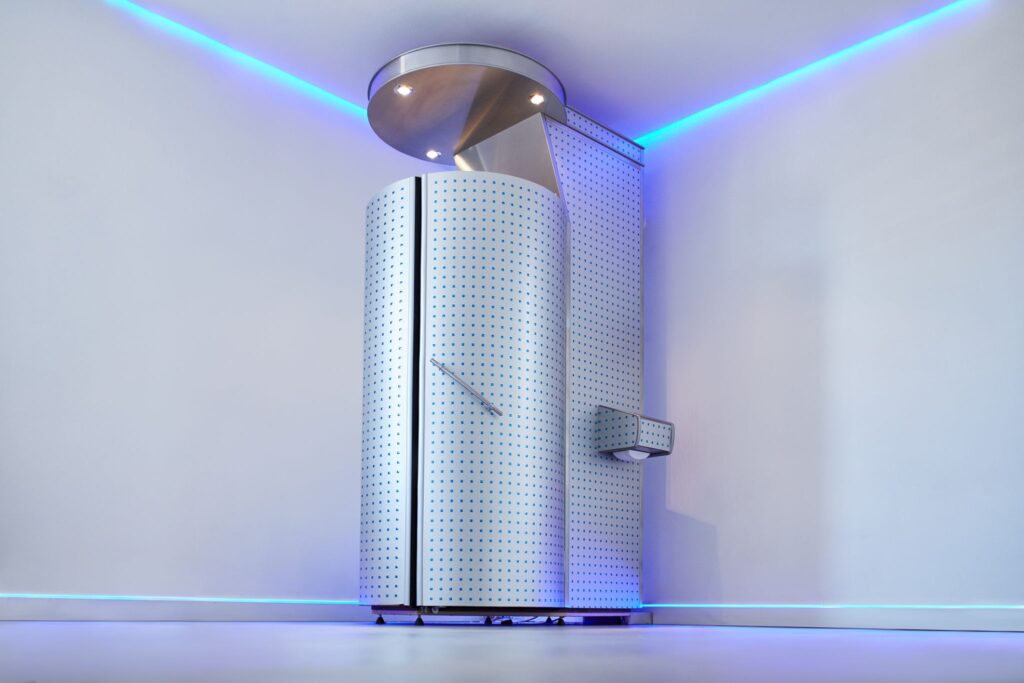
The Cryotherapy Protocol
- Frequency: 2 to 3 sessions per week for active athletic recovery or acute inflammation.
- Safety Rules: Ensure skin is completely dry before entering the chamber to prevent frostbite. Wear protective footwear, socks, and gloves.
Frequently Asked Questions
Should I take a hot shower right after a cold plunge?
If your primary goal is boosting metabolism and brown fat activation, let your body reheat naturally (known as the Søberg Principle). Shivering after getting out burns additional calories and maximizes thermogenic adaptation. If you need to return to work or go to sleep immediately, a warm shower is fine.
Should I cold plunge before or after a workout?
- Before a workout: A quick 1-to-2-minute plunge increases central nervous system stimulation, alertness, and dopamine, serving as a powerful pre-workout primer.
- After endurance/cardio: Plunging immediately after running, cycling, or HIIT reduces fatigue and tissue damage.
- After heavy weightlifting: Delay plunging for 4 to 6 hours to avoid interfering with muscle growth signals.
Summary Checklist for Maximum Results
- Consistency Over Duration: 2 minutes at 50°F done consistently beats a single 10-minute session once a month.
- Prioritize Breathing: Control your breath during the first 30 seconds to bypass panic.
- Match Modality to Goal: Use cold plunging for deep tissue soreness and mental resilience; use cryotherapy for rapid, surface-level inflammation relief and joint comfort.
Looking to explore integrative therapies or locate cold plunge facilities near you? Search the Wellness Directory USA to find verified recovery lounges, cryotherapy centers, and holistic health practitioners.
Disclaimer: The content provided in this article is for informational and educational purposes only and is not intended as medical advice. Extreme cold exposure presents inherent cardiovascular and physiological risks. Always consult with a qualified healthcare professional before beginning cold plunge or whole-body cryotherapy, especially if you have pre-existing cardiovascular conditions, high blood pressure, or are pregnant.
